
When you’re making potatoes for dinner, figuring out how many to cook isn’t always as straightforward as it seems. You don’t want to run out of mashed potatoes halfway through serving dinner, but you also don’t want to peel five pounds more than you actually need.
As a general rule, plan on ½ pound of potatoes per person when serving them as a side dish. That’s roughly one medium-to-large potato per guest, depending on its size.
The amount you need can vary depending on whether you’re making mashed potatoes, roasted potatoes, baked potatoes, or potato salad. Here’s how to calculate the right amount so you can shop and cook with confidence.

How Many Potatoes Do You Need Per Person?
If you can estimate the number of people you’ll be serving, then you can definitely estimate how many potatoes to serve. This will keep you from having a ton of leftovers or running out early.
For most potato side dishes, ½ pound (8 ounces) of raw potatoes per person is a good starting point.
Here’s a quick reference for how many pounds of potatoes you’ll need based on the number of people you’re feeding.
| Number of People | Pounds of Potatoes |
|---|---|
| 2 people | 1 pound |
| 4 people | 2 pounds |
| 6 people | 3 pounds |
| 8 people | 4 pounds |
| 10 people | 5 pounds |
| 12 people | 6 pounds |
| 15 people | 7½ pounds |
| 20 people | 10 pounds |
These amounts work well when potatoes are one of the main side dishes. If you’re preparing a holiday meal or buffet with several other sides, you can often reduce the amount to ⅓ pound per person.
For a particularly hungry crowd or a meal where potatoes are the main accompaniment, stick with ½ pound or slightly more.
How Many Potatoes Per Person by Type of Dish?
Different potato dishes call for slightly different serving sizes. Here’s what I recommend for the most common preparations.
Roasted Potatoes
Roasted potatoes are another dish where ½ pound per person works well. They shrink slightly as they roast and lose moisture, so starting with a generous amount is a good idea.
For a family dinner serving four people, two pounds of potatoes should be plenty. If you’re serving roasted potatoes alongside several other sides, you can get away with a little less.
One thing to remember is that roasted potatoes take up quite a bit of room on a baking sheet. If you’re cooking for a large group, use multiple baking sheets so the potatoes have enough space to brown rather than steam.

Mashed Potatoes
Similar to roasted potatoes, plan to serve at least half a pound of mashed potatoes per person. That’s one medium potato per person. For two people you need one pound of potatoes, or 2 medium potatoes. If you have four guests, I tend to round up and go with 5 medium potatoes or 2.5 pounds.
Baked Potatoes

Baked potatoes are the easiest to calculate because you can simply plan on one potato per person.
A medium-to-large russet potato, weighing approximately 8–10 ounces, makes a satisfying side dish.
If baked potatoes are the main course and you’re loading them with chili, cheese, sour cream, or other toppings, choose larger potatoes. You may also want to bake one or two extras if you’re serving a group.
For a baked potato bar, I recommend having at least one large potato per guest, plus an extra potato or two for every ten people.
Potato Salad

Potato salad is typically served at barbecues, potlucks, and picnics, where there’s usually plenty of other food.
For this type of meal, plan on ⅓ to ½ pound of raw potatoes per person. Once you add the dressing, eggs, celery, onions, or other ingredients, you’ll have a generous amount of finished potato salad.
If you’re serving ten people, approximately four pounds of raw potatoes is a good amount to prepare.
You can use a little less if your menu includes several other substantial sides, such as pasta salad, baked beans, and coleslaw.
Scalloped Potatoes

Scalloped potatoes and potatoes au gratin are rich dishes made with thinly sliced potatoes and a creamy sauce, sometimes with cheese.
Because they’re filling, you generally don’t need quite as much as you would for plain roasted potatoes.
Plan on ⅓ to ½ pound of raw potatoes per person, depending on what else you’re serving.
For six people, two to three pounds of potatoes should make a good-sized casserole. The amount of sauce and the size of your baking dish will also affect how many servings you get.
How to Calculate Potatoes for a Dinner Party
When you’re hosting a dinner party or holiday gathering, the amount of potatoes you need depends on more than just the guest count.
I always start by thinking about the entire menu. If I’m serving roast chicken with potatoes and one vegetable, I’ll make a full ½ pound of potatoes per person. But if I’m putting together a Thanksgiving dinner with stuffing, rolls, green beans, and several casseroles, I’ll make a little less.
Here are a few things to consider:
How many other sides are you serving? The more dishes you have, the smaller the individual portions are likely to be.
Are potatoes the main side dish? If they are, prepare a generous ½ pound per person.
Will guests serve themselves? Buffets can be harder to estimate because guests choose their own portions. I usually prepare a little extra.
Do you want leftovers? If you’re looking forward to making potato pancakes or using leftover mashed potatoes the next day, add another pound or two.
It’s also worth thinking about how you’re going to serve the meal. For a large gathering, make sure there’s enough space for platters, serving bowls, and guests to sit comfortably. If you host frequently, an extendable dining table can be especially useful. You can find a variety of solid wood options among these Amish dining room tables that are designed to accommodate different dining spaces and seating needs.
Once you’ve settled on the guest count, menu, and seating arrangements, it’s much easier to work out how much food to prepare.
How Many Potatoes Are in a Pound?
Potatoes vary considerably in size, which is why I prefer measuring them by weight rather than counting individual potatoes.
However, if you don’t have a kitchen scale, these estimates will help:
- Small potatoes (2–3 ounces): About 5–8 per pound
- Medium potatoes (5–8 ounces): About 2–3 per pound
- Large potatoes (10–12 ounces): About 1–2 per pound
For example, if you need three pounds of potatoes for mashed potatoes, you might use six to eight medium potatoes or four to five large ones.
If you’re using baby potatoes, you’ll obviously need quite a few more. The total weight matters more than the number of potatoes.
What Are the Best Potatoes to Use?
The type of potato you choose can make a big difference in the finished dish.
Russet potatoes are high in starch and have a fluffy texture when cooked. They’re especially good for baked potatoes and mashed potatoes.
Yukon Gold potatoes have a naturally buttery flavor and a creamy texture. I particularly like them for mashed potatoes, but they also work well for roasting and gratins.
Red potatoes have thinner skins and a waxier texture, which means they hold their shape well. They’re a good choice for potato salad, boiled potatoes, and roasted potatoes.
Baby potatoes are convenient for roasting because they require very little preparation. You can often leave them whole or simply cut them in half.
For most dishes, you can substitute one variety for another, but choosing the right potato will give you better results.
Tips for Preparing Potatoes for a Crowd
Cooking potatoes for two or four people is fairly simple, but preparing them for ten or twenty guests takes a little more planning.
Buy potatoes by weight. It’s much more accurate than relying on the number of potatoes, especially when buying them loose.
Prepare what you can ahead of time. You can peel and cut potatoes for mashed potatoes up to a day ahead. Keep them completely submerged in cold water in the refrigerator until you’re ready to cook.
Don’t overcrowd your roasting pans. If you’re roasting several pounds of potatoes, spread them across multiple baking sheets. Overcrowding prevents them from getting crispy.
Use the right-sized pot. For large batches of mashed potatoes, choose a pot that gives the potatoes plenty of room to cook evenly.
Keep finished potatoes warm. Mashed potatoes can be kept warm in a slow cooker on the warm setting. Stir occasionally and add a little warm milk or butter if they begin to dry out. Keep hot foods at 140°F or above for safe serving.
Frequently Asked Questions
How many pounds of potatoes do I need for 10 people?
You’ll need about five pounds of raw potatoes for ten people if you’re serving mashed or roasted potatoes as a substantial side dish. For a holiday dinner with several other sides, three to four pounds may be enough.
How many potatoes do I need for 20 people?
Plan on approximately ten pounds of potatoes for twenty people. If you’re serving several other dishes, you can reduce that amount to around seven or eight pounds.
Is one potato per person enough?
Usually, yes, if you’re using medium-to-large potatoes. However, because potatoes vary in size, measuring by weight is more reliable. Aim for approximately eight ounces of raw potatoes per person.
How much mashed potato should I serve per person?
A typical serving is around ¾ to 1 cup of prepared mashed potatoes. Starting with approximately ½ pound of raw potatoes per person should give you a generous portion once you add butter and milk.
Should I peel potatoes before weighing them?
It’s easiest to weigh potatoes before peeling. The serving estimates in this guide are based on raw, unpeeled potatoes. If you’re removing thick peels or trimming away damaged sections, buy a little extra to account for the waste.
Like it, Love it, Want Some More of It? Subscribe to our YouTube channel to watch us cook and follow us on Pinterest, Instagram and Facebook. We really love it when you save our recipes to Pinterest 😊

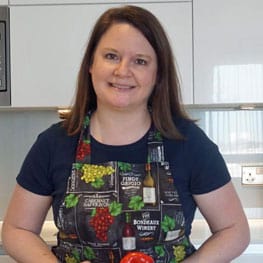
Laura is a home cook, with 25 years experience behind the stove, who spends an extraordinary amount of time in the kitchen cooking. She loves making new recipes and finding wonderful new things to eat, both at home or abroad. She spends a lot of time researching, crafting, and perfecting her recipes.