
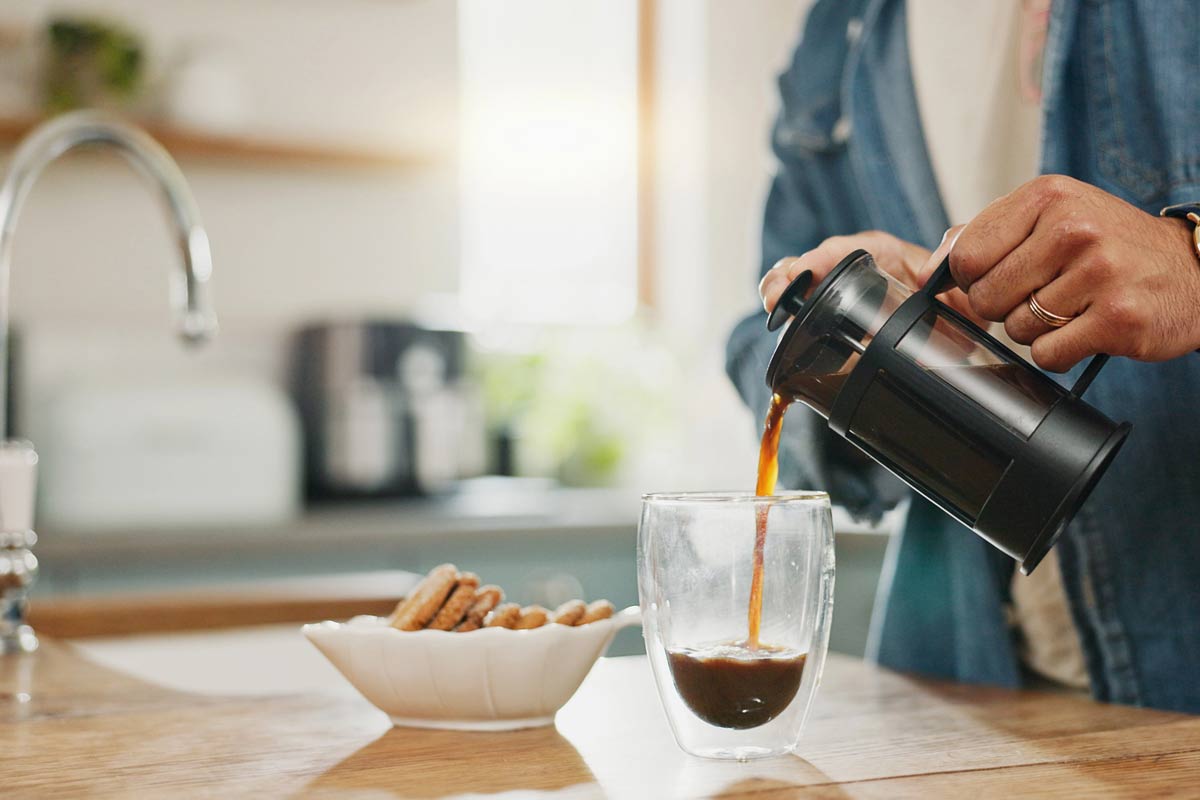
You probably spend plenty of time choosing good coffee beans, fresh vegetables, quality flour, and the right seasonings, but there is one ingredient in your kitchen that is easy to overlook: water.
Water goes into your morning coffee, homemade soup, bread dough, rice, pasta, tea, and countless other things you cook. In some recipes, it is actually one of the main ingredients. So if your tap water has a noticeable chlorine smell, metallic flavor, or other off taste, some of that can make its way into your food.
You don’t necessarily need fancy bottled water every time you cook. Starting with clean, pleasant-tasting filtered water can make a noticeable difference, especially in recipes where water plays a starring role.
Why Water Matters More Than You Might Think
Most of us think of water as neutral, but tap water can vary considerably depending on where you live.
Municipal water may contain chlorine or chloramine used during treatment, while naturally occurring minerals can affect hardness and flavor. Well water has its own characteristics depending on the surrounding soil and groundwater.
You might barely notice these differences when drinking a glass of water, particularly if you are used to your local water. Once you use several cups in a pot of soup or brew coffee with it, however, those flavors can become more noticeable.
A simple test is to pour a glass of your tap water and another of filtered water and taste them side by side. If you immediately prefer one, it makes sense that you might notice the same difference in your cooking.
This doesn’t mean filtered water will suddenly transform ordinary rice into restaurant-quality rice. Cooking technique still matters. But when you’re trying to improve the little details in your cooking, starting with better-tasting water is an easy adjustment.
When Filtered Water Matters Most
You don’t have to overthink this.
A useful rule is to consider how much of the water will remain in the finished food.
Filtered water makes the most sense for things like:
- Coffee and tea
- Soups and broths
- Rice and other grains
- Beans and lentils
- Bread and pizza dough
- Homemade beverages
- Ice
- Sauces made with added water
On the other hand, if you are blanching vegetables and immediately draining them, the difference will probably be much less noticeable.
Find a Water Solution That Fits Your Needs
You don’t necessarily need the most elaborate filtration system.
If you make one pot of coffee a day and occasionally cook with filtered water, a pitcher might be all you need. If you cook often and regularly use several quarts of water at a time, a gravity-fed or under-sink system can be much more convenient.
The important thing is that the water you cook with tastes good to you before it ever goes into the recipe.
Gravity-Fed Water Filter System
If you cook frequently, having filtered water readily available is much more convenient than relying on bottled water. A gravity-fed water filter system is a good option because you can keep a supply available for drinking and cooking without having to install anything under the sink.
These systems typically have two chambers. You pour tap water into the upper chamber, and gravity slowly pulls it through filter elements into a lower chamber where the filtered water is stored. A spigot at the bottom makes it easy to fill a glass, kettle, measuring cup, or stockpot.
The systems don’t require plumbing or electricity, which makes them relatively simple to add to a kitchen if you have the counter space.
Like other filtration systems, the filter elements eventually need to be replaced. Options such as Berkey Phoenix filter elements are designed for use in Berkey gravity-fed systems and similar gravity filtration units. The Phoenix elements use activated carbon filtration and are designed to improve taste and odor while reducing a range of substances found in municipal water.
Install an Under-Sink Filter
If you don’t want another appliance on the counter, an under-sink filtration system can be a more permanent solution.
These systems connect to the plumbing beneath your sink and usually dispense filtered water through either your existing faucet or a small dedicated faucet.
They can be especially convenient if you use filtered water throughout the day because you aren’t constantly filling a pitcher or countertop reservoir. You’ll still need to replace cartridges periodically, but day-to-day use is almost effortless.
Installation is more involved, however, and some systems may require a plumber depending on your setup.
Consider Reverse Osmosis
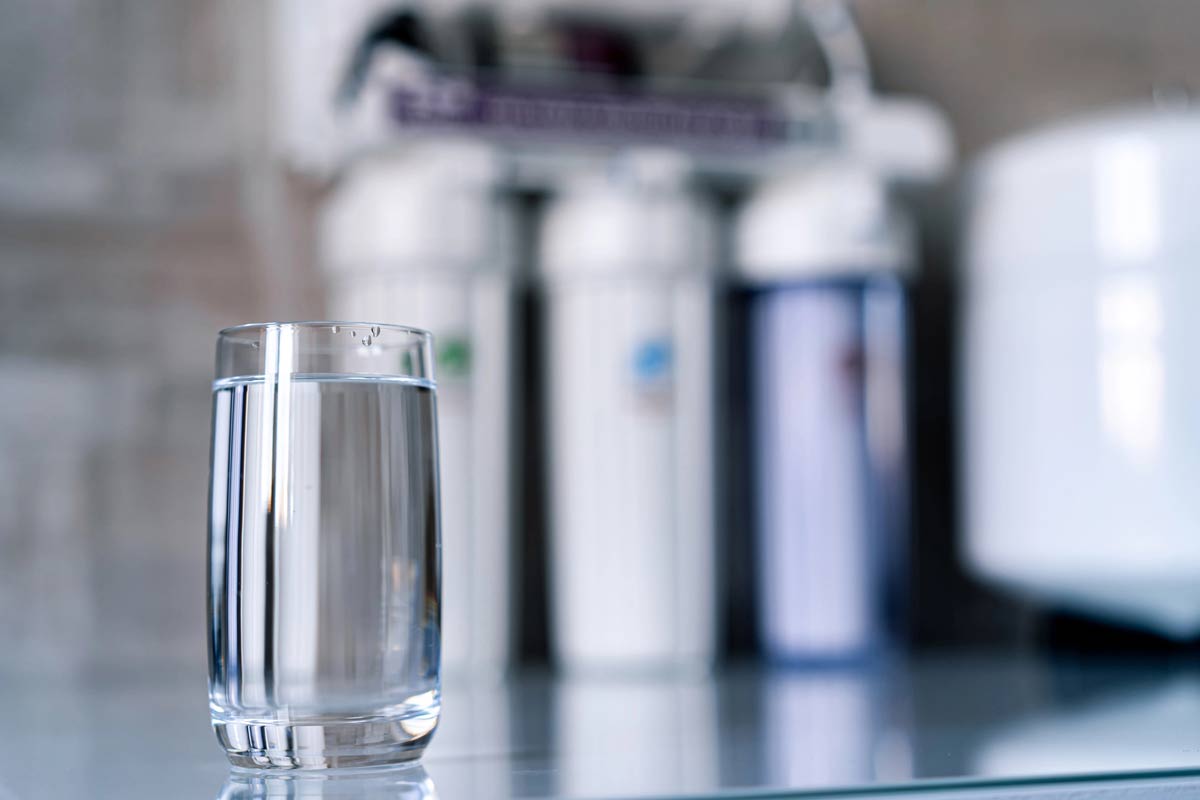
Reverse osmosis, often shortened to RO, is a more intensive form of filtration. These systems typically sit beneath the sink and force water through a membrane along with several stages of filtration.
They’re popular in areas where tap water has particularly noticeable mineral flavors or where homeowners want a higher level of filtration.
For cooking, RO water gives you a very neutral starting point, which can be helpful for coffee, tea, broths, and baking. Keep in mind that reverse osmosis systems also remove many dissolved minerals, which can slightly change the character of the water.
For coffee in particular, completely mineral-free water isn’t necessarily ideal. Some dissolved minerals contribute to extraction and flavor, so if you’re particularly serious about coffee, you may want a system that remineralizes the water afterward.
Buy Spring or Purified Water When You Need It
If you only occasionally need better-tasting water, bottled spring or purified water is another option.
I wouldn’t buy individual bottles specifically for cooking, but a gallon jug can be useful if you’re making something where water plays a major role, such as sourdough bread, homemade stock, or a large batch of cold-brew coffee.
This also gives you a simple way to experiment. Make your usual coffee or rice with bottled water once and compare it with the version you make using tap water. If you can clearly taste the difference, you may decide that a filtration system is worth adding to your kitchen.
Conclusion
You don’t necessarily need the most elaborate filtration system.
If you make one pot of coffee a day and occasionally cook with filtered water, a pitcher might be all you need. If you cook often and regularly use several quarts of water at a time, a gravity-fed or under-sink system can be much more convenient.
The important thing is that the water you cook with tastes good to you before it ever goes into the recipe.

Laura is a home cook, with 25 years experience behind the stove, who spends an extraordinary amount of time in the kitchen cooking. She loves making new recipes and finding wonderful new things to eat, both at home or abroad. She spends a lot of time researching, crafting, and perfecting her recipes.