
Few combinations are as simple and satisfying as fresh garden vegetables with good cheese. A ripe tomato with creamy mozzarella, sweet roasted beets with tangy goat cheese, or crisp peppers with salty feta need little more than olive oil and herbs to become a memorable dish. When the vegetables come straight from the home garden, picked at peak ripeness, these pairings taste even better.
This guide explores five classic vegetable and cheese matches, explains why they work, and offers practical tips for turning them into quick snacks and appetizers. Every great harvest starts with reliable seeds, and experienced sellers like KVITER offer vegetable seeds that produce high yields for your culinary purposes.
Why Crops Taste Better with Cheese?
Vegetables and cheese complement each other on several levels. Most garden crops are fresh, juicy, slightly sweet or acidic, while cheese brings fat, salt, and deep savory notes. Together, they create balance on the palate.
The main reasons these pairings work:
- Fat carries flavor. Many aromatic compounds in vegetables dissolve in fat, so cheese helps release and spread their taste.
- Salt enhances sweetness. Salty cheeses such as feta and Parmesan make sweet vegetables taste even sweeter.
- Acid cuts richness. Tomatoes and peppers balance creamy cheeses, keeping each bite light.
- Texture contrast. Crisp, juicy vegetables pair well with soft, creamy, or crumbly cheeses.
- Nutritional balance. Vegetables provide fiber and vitamins, while cheese adds protein and calcium, and fat improves absorption of vitamins A, E, and K.
As a simple rule, match intensity: delicate vegetables suit mild, fresh cheeses, while roasted or strongly flavored crops can handle aged, sharp cheeses.
Tomato + Mozzarella
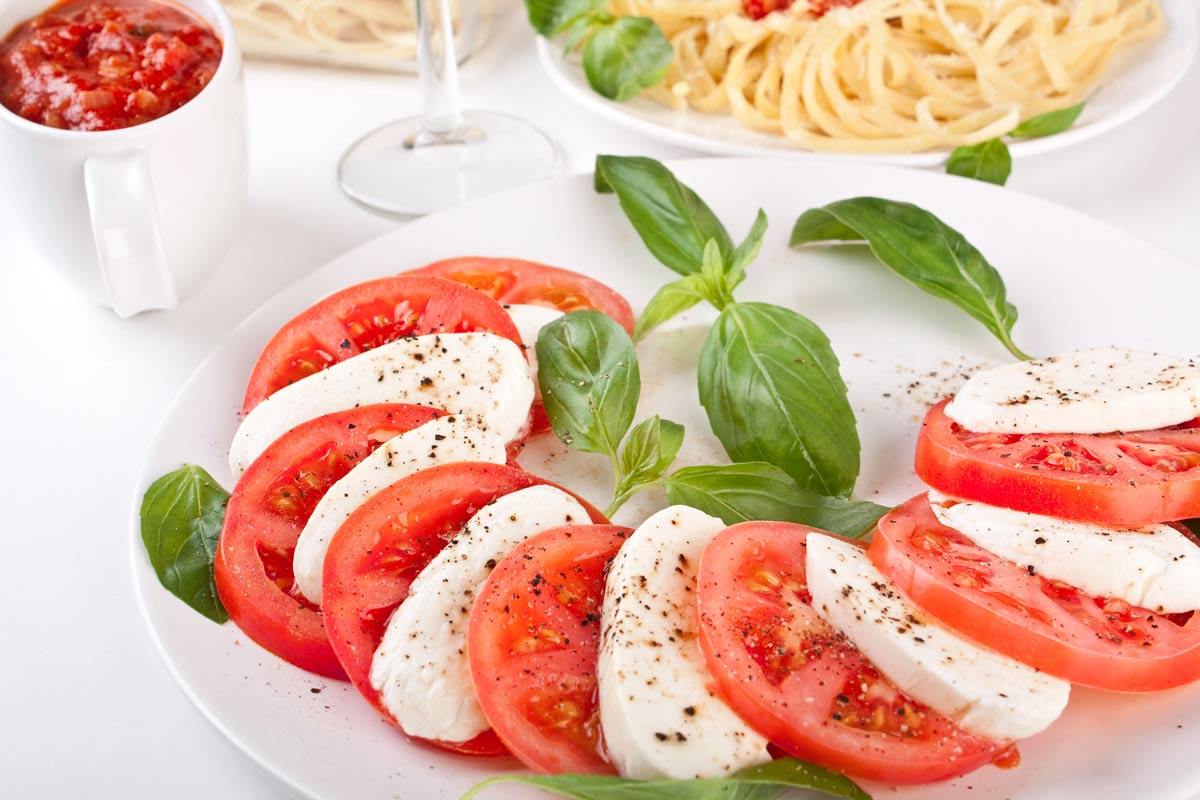
This is the most famous pairing, celebrated in the Italian caprese salad. Juicy, slightly acidic tomatoes meet milky, mild fresh mozzarella, and a few basil leaves with good olive oil complete the dish.
For the best result, use fully ripe, room-temperature tomatoes at 65°F–70°F (18°C–21°C), as cold tomatoes lose aroma. Slice them about 1/3 inch (0.8 cm) thick and alternate with mozzarella slices of the same thickness. Season with flaky salt, pepper, and a drizzle of balsamic reduction. Cherry tomatoes with small mozzarella balls make perfect party skewers, and the same pair shines on bruschetta, pizza, and baked tomato halves. Heirloom varieties in red, yellow and purple turn a simple plate into a colorful centerpiece.
Beet + Goat Cheese
Sweet, earthy beets and tangy, creamy goat cheese are a modern classic. The cheese’s bright acidity balances the root’s deep sweetness, and the colors look stunning together on the plate.
Roast whole, unpeeled beets about 2–3 inches (5–7.5 cm) in diameter, wrapped in foil, at 400°F (200°C) for 45–60 minutes until a knife slides in easily. Cool, peel, and cut into wedges. Arrange over arugula, crumble soft goat cheese on top, and finish with toasted walnuts, a drizzle of honey, and a splash of balsamic or orange vinaigrette. Golden and striped Chioggia beets add extra color and stain the cheese less than red varieties.
Zucchini + Parmesan
Mild, tender zucchini acts as a blank canvas, and nutty, salty Parmesan gives it instant depth and a crisp golden crust. This pairing turns an abundant summer crop into irresistible side dishes and snacks. Gardeners looking to grow their own food can find zucchini, tomatoes, beets, and peppers among vegetable seeds online at KVITER online store.
For crispy chips, slice young zucchini 6–8 inches (15–20 cm) long into 1/4-inch (0.6 cm) rounds. Toss with olive oil, then coat with a mix of grated Parmesan, breadcrumbs, garlic powder, and black pepper. Bake on a lined sheet at 425°F (220°C) for 15–20 minutes until golden. Parmesan also brightens zucchini fritters, grilled zucchini ribbons and raw zucchini carpaccio dressed with lemon and shaved cheese.
Pepper + Feta
Sweet bell peppers and briny, crumbly feta are a Mediterranean favorite. Roasting concentrates the pepper’s sugars and adds a smoky note that the salty cheese balances perfectly. Mildly spicy peppers, such as jalapeños or Hungarian wax, add a pleasant kick.
To make feta-stuffed peppers, halve small sweet peppers or cut larger ones into boats, remove seeds, and fill with feta mashed with olive oil, oregano, and lemon zest. Bake at 400°F (200°C) for 15–20 minutes until the peppers soften and the edges char. Roasted pepper strips with feta also make an excellent dip when blended together, similar to the Greek spread htipiti. Peppers ripen fully colored about 70–80 days after transplanting, and red, yellow, and orange fruits are sweeter than green ones.
Peas + Ricotta
Sweet, fresh spring peas and soft, creamy ricotta create a light, elegant pairing that captures the taste of early summer. Both are delicate, so they combine without either one overpowering the other.
Peas are sweetest when picked young and cooked within hours, before their sugars turn to starch. Blanch shelled peas in boiling water for 1–2 minutes, then plunge into ice water. Lightly crush them with mint, lemon zest, olive oil and salt, then spread over toasted bread already layered with fresh ricotta. The same combination works in pasta, risotto, and savory tarts. Peas grow best in cool weather: sow them 1–2 inches (2.5–5 cm) deep in early spring, when soil is 45°F–75°F (7°C–24°C), and harvest about 60–70 days later.
Tips for Cooking Delicious Snacks
Vegetable and cheese snacks are quick to prepare, but a few details make the difference between good and outstanding:
- Harvest at peak ripeness. Pick vegetables in the cool morning and use them the same day for the best flavor.
- Serve cheese at room temperature. Take most cheeses out of the refrigerator 30–60 minutes before serving; fresh mozzarella and ricotta need only 15–20 minutes.
- Dry vegetables well. Excess water dilutes flavor and makes crusts soggy, so pat vegetables dry after washing.
- Season in layers. Add salt carefully when using salty cheeses such as feta and Parmesan.
- Add fresh herbs. Basil, mint, dill, oregano, and thyme lift every pairing.
- Use high heat for roasting. An oven at 400°F–425°F (200°C–220°C) caramelizes vegetables and crisps cheese.
- Mind food safety. Keep soft cheese platters out of the refrigerator for no longer than 2 hours, or 1 hour above 90°F (32°C).
A board of sliced garden vegetables, two or three cheeses, crusty bread, and a bowl of olives makes an effortless summer appetizer for guests.
Conclusion
Pairing common garden vegetables with beloved cheeses proves that the simplest dishes are often the most delicious. Each pairing balances sweetness, acidity, salt, and richness, and each one tastes best when the crops come fresh from the planting area. A few rows of tomatoes, beets, zucchini, peppers, and peas, started with high-quality seeds from stores like KVITER, will keep the table full of fresh, flavorful snacks all summer long.

Laura is a home cook, with 25 years experience behind the stove, who spends an extraordinary amount of time in the kitchen cooking. She loves making new recipes and finding wonderful new things to eat, both at home or abroad. She spends a lot of time researching, crafting, and perfecting her recipes.